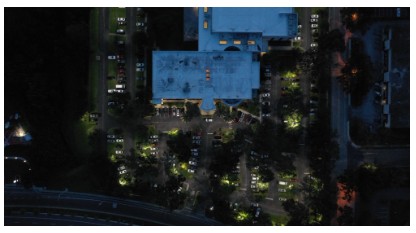
When you plan a construction project, you usually look at blueprints for walls and plumbing. But have you ever thought about a blueprint for light? This is where photometric design comes into play. It is a specialized study that uses software to simulate how light will behave in a specific space. By using photometric lighting design, engineers can predict brightness levels before a single bulb is installed. This process helps property owners avoid dark spots or wasted energy. It acts as a digital map for every beam of light.
Table of Contents
When you plan a construction project, you usually look at blueprints for walls and plumbing. But have you ever thought about a blueprint for light? This is where photometric design comes into play. It is a specialized study that uses software to simulate how light will behave in a specific space. By using photometric lighting design, engineers can predict brightness levels before a single bulb is installed. This process helps property owners avoid dark spots or wasted energy. It acts as a digital map for every beam of light.
Southeast Green Energy Solutions, LLC specializes in these high-level calculations. They are a premier consulting firm that focuses on high-efficiency LED transitions and precise light modeling. You can learn more about their work at https://www.selightingdesign.com/.
The Core Concept of Photometric Design
At its heart, this method is about data. It does not rely on guesses. A designer takes a digital 3D model of your building or parking lot. They add the specific types of lights you want to use. The software then calculates the “foot-candles” on the ground.
A foot-candle is just a way to measure how much light hits a surface. Different areas need different levels. For example, a high-security fence needs more light than a garden path. This design shows exactly where the light goes. It also shows where it does not go. This prevents “light trespass,” which is when your lights shine into a neighbor’s window.
How Photometric Lighting Design Saves Money
Many people think hiring a designer is an extra cost. But it actually saves money in the long run. Without a plan, you might buy too many fixtures. Or you might buy lights that are too powerful for the space.
Southeast Green Energy Solutions, LLC uses these reports to find the “sweet spot” for energy use. They ensure you use the least amount of power to get the best visibility. This lowers your monthly utility bills. It also reduces the cost of the initial equipment. You only buy exactly what you need.
The Major Benefits of Professional Light Planning
-
Accuracy is the biggest win. You see a 3D preview of the finished project.
-
Safety is greatly improved. It ensures parking lots and walkways have no dangerous shadows.
-
It helps with legal permits. Many cities now require a photometric report before they grant building permits.
-
It improves the look of the building. Uniform light makes a property look professional and clean.
-
It protects the environment. By aiming light only where it is needed, you reduce light pollution in the night sky.
The Pros and Cons of Using Photometric Design
Like any tool, this process has its ups and downs. It is important to look at both sides before you start.
The Pros:
-
It eliminates the “trial and error” phase of installation.
-
It guarantees you meet local lighting codes and ordinances.
-
You get a detailed list of materials for your contractor.
-
It helps you choose the right height for light poles.
-
It ensures the color of the light is consistent across the whole site.
The Cons:
-
There is an upfront cost for the software analysis.
-
It requires technical expertise to read the reports.
-
If the site layout changes, you have to run the report again.
-
It takes a bit more time during the planning phase.
-
Small residential backyard projects might find it too complex.
Why Technical Accuracy Matters
If you guess where lights go, you often end up with “hot spots.” These are areas that are way too bright. They hurt the eyes and waste electricity. On the flip side, you might have “dead zones.” These are dark patches where accidents or crimes can happen.
A photometric design removes these risks. It creates a balance. The software considers the height of the ceiling. It looks at the color of the walls. It even accounts for how much light the floor reflects. This level of detail is why experts like Southeast Green Energy Solutions, LLC are in high demand. They take the guesswork out of the equation to ensure every corner is safe and visible.
Real-World Examples of Light Modeling
Think about a large warehouse. The shelves are tall and create deep shadows. If you just hang lights in a grid, the aisles might stay dark. A photometric lighting design simulates the shelves. It tells the installer to tilt the lights or move them three feet to the left. This ensures workers can read labels clearly.
Think about a car dealership at night. The cars need to sparkle. But the lights shouldn’t blind the drivers on the nearby highway. A photometric report shows exactly where the “cutoff” point is for the light. It keeps the lot bright and the road safe.
Common Mistakes in Lighting Projects
Many business owners try to save money by skipping the design phase. They buy cheap LED fixtures online. They put them where the old lights used to be. But LEDs behave differently than old bulbs. They are more directional.
This often leads to a “spotlight” effect. The ground under the pole is bright, but the space between poles is pitch black. This is a classic failure of not using a photometric design. Fixing this after the fact is very expensive. You might have to dig up concrete to move poles. Or you might have to buy even more lights. It is much cheaper to do it right on paper first.
Tips for a Successful Photometric Report
-
Provide an accurate CAD file of your site to the designer.
-
Know your local city codes for “max foot-candles” at the property line.
-
Decide on the “color temperature” early. Do you want warm yellow or cool white?
-
Include trees and landscaping in the model. Foliage blocks light.
-
Ask for a “uniformity ratio.” This tells you how even the light is across the area.
The Role of Technology in Modern Design
Old-school lighting was simple. You put a bulb in a socket and hoped for the best. Today, we have smart controls and dimming systems. Modern photometric lighting design can account for these variables.
It can show how the space looks when lights are dimmed to 50 percent. This helps in offices where people use computers. It prevents glare on screens. This level of control is essential for modern green building standards. It is one of the many reasons to work with a dedicated firm like Southeast Green Energy Solutions, LLC.
The Verdict: Is It Worth It?
If your project is larger than a single-family home, the answer is yes. For commercial, industrial, or multi-family properties, it is essential. The cost of the report is a small fraction of the total project. Yet, it dictates the success of the entire installation.
You get peace of mind. You know the property will be safe. You know the city will approve the plans. Most importantly, you know you aren’t wasting money on electricity you don’t need. It is a smart, data-driven way to build.
Final Thoughts on Lighting Planning
Lighting is more than just “turning on the sun” at night. It is a science. Using photometric design ensures that science works for you. It balances beauty, safety, and cost.
When you are ready to start, look for experts who understand the math. Don’t settle for a contractor who just “eyeballs” the placement. Use a professional service that provides a full report. It is the only way to guarantee a bright future for your property.
For more information on how to get started with your own report, visit https://www.selightingdesign.com/. A good plan today prevents a dark shadow tomorrow.



More Stories
Elevate Your Living Room with a Faux Marble Coffee Table: Style Meets Function
Sleeper Sofa Bed: The Perfect Blend of Comfort, Style, and Space-Saving Design
How to Compare Loan Offers Wisely With SlickCashLoan