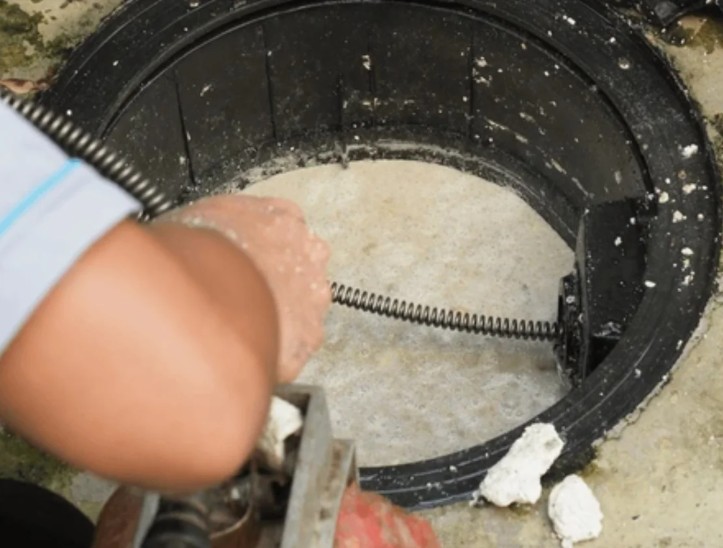
Grease trap pumping is not something most restaurant owners think about until disaster strikes. Your sink backs up during lunch rush. Water pools on the kitchen floor. That smell hits your dining room. Your health inspector arrives with a ticket book. Suddenly, grease trap pumping becomes your worst nightmare.
Table of Contents
Grease trap pumping is not something most restaurant owners think about until disaster strikes. Your sink backs up during lunch rush. Water pools on the kitchen floor. That smell hits your dining room. Your health inspector arrives with a ticket book. Suddenly, grease trap pumping becomes your worst nightmare.
Here’s the good news: regular grease trap pumping prevents all of this. Think of it like an oil change for your restaurant. Skip it long enough, and everything breaks down. Stay on top of it, and your kitchen runs like a dream.
This guide covers everything you need to know about keeping your grease traps clean. We’ll talk about how often you need service. We’ll explain what happens during cleaning. And we’ll show you why Grease Cleaning Pros has become the go-to solution for restaurants that want to avoid headaches.
What Is a Grease Trap and Why Your Restaurant Needs One
A grease trap catches fats, oils, and grease before they enter the city sewer system. Sounds simple, right? It is. But here’s what most people miss: grease doesn’t just disappear.
When hot grease goes down your drain, it looks liquid. Cool down that grease, and it hardens like concrete. That hardened grease builds up inside pipes and sewer lines. Eventually, you get backups that cost thousands to fix.
Your grease trap gives fats time to separate from water. The grease floats to the top. Solids settle at the bottom. Clean water flows out. The system works perfectly. Until you skip maintenance.
Small traps sit under your sink. They hold about 20 to 50 gallons. Larger interceptors hide outside and can hold 500 to 5,000 gallons. Your restaurant size determines which you need. Either way, both need regular cleaning to function.
How Often Does Grease Trap Pumping Actually Need to Happen?
The honest answer: it depends on your kitchen.
Most restaurants need service every 30 to 90 days. A small café might stretch it to quarterly. A high-volume steakhouse needs monthly pumping. There’s no one-size-fits-all answer.
Here’s the real rule: when your grease trap reaches 25% capacity, it stops working properly. That’s your cue to call for service. Ignore it, and backups happen fast.
Think about your kitchen output. How many fryers do you run? How much cooking oil goes down your drains daily? How many seats do you have? Busier kitchens create more grease buildup. They need more frequent pumping.
Grease Cleaning Pros creates custom schedules for each restaurant. They don’t guess. They assess your actual grease production. They set a pumping schedule that keeps everything flowing smoothly. No surprise emergencies. No guessing games.
What Happens During Professional Grease Trap Pumping
Pumping a grease trap looks straightforward from the outside. But there’s more happening than just sucking out the gunk.
First, technicians arrive with proper vacuum trucks. They locate your trap and open it safely. Then they remove all accumulated grease and solids. This is literally decades of buildup sometimes.
Next comes the important part: they scrape and clean all interior surfaces. Residue sticks to the walls. Baffles need inspection for damage. The entire trap gets inspected for cracks or corrosion. A simple once-over misses problems.
Finally, they dispose of the waste properly. That grease doesn’t go to the local dump. It gets handled according to environmental regulations. Professional companies like Grease Cleaning Pros manage all documentation. Your health inspector gets what they need.
The whole process typically takes under two hours. Most services work around your schedule. Early morning before prep or late evening after closing. You keep serving customers while the work happens.
Common Problems That Come From Skipping Grease Trap Pumping
Waiting too long creates problems that cost serious money.
Slow drains develop first. Water drains gradually instead of quickly. You notice your dishwasher running slower. Your prep sink takes longer to clear. These are early warning signs.
Next comes the backup. Water pools around floor drains. Kitchen floors stay slippery despite mopping. Sinks might back up into each other. This is where emergency repair trucks start rolling.
Then the smell arrives. Sewage odors drift into your dining room. Customers notice immediately. They don’t come back. That smell is hard to get rid of once it’s there.
Finally comes the health inspector visit. Code violations get written. Fines get issued. In severe cases, restaurants get closed temporarily. The city might demand immediate repairs before you operate again. One closure can cost thousands in lost business.
Why Grease Cleaning Pros Stands Out for Grease Trap Pumping
Grease Cleaning Pros handles grease trap pumping with professional standards most companies skip.
They show up on time. They call ahead. They arrive with clean trucks and respectful technicians. No surprise delays that mess with your schedule.
Their technicians wear uniforms and boot covers. They respect your kitchen space. They work efficiently without disrupting your operations. That matters when you’re running a business.
Documentation gets handled properly. They take before and after photos. They create detailed service reports. You receive proper disposal manifests for compliance. Health inspectors love seeing organized records.
Equipment matters too. Grease Cleaning Pros uses professional-grade vacuum trucks. Modern hydro jetting technology. Proper safety gear for their team. They invest in quality because your business deserves quality work.
The company offers more than just pumping. They do hydro jetting for stubborn pipe clogs. They collect and recycle your used cooking oil. They repair or replace damaged traps. One call handles multiple grease problems.
The Smart Grease Management Strategy
Pumping alone isn’t the complete picture. Smart restaurants combine multiple services.
Regular grease trap pumping stays on schedule. That’s your foundation. Monthly or quarterly. Whatever your kitchen needs.
Hydro jetting cleans pipes deeply. Regular snaking doesn’t remove hardened grease. High-pressure water jets blast through years of buildup. Pipes come out like new. Grease Cleaning Pros recommends annual jetting for most restaurants. Busy kitchens benefit from twice-yearly service.
Used cooking oil collection prevents overflow problems. Instead of huge grease containers piling up, your oil gets picked up regularly. Cleaner kitchen. Safer environment. Plus some restaurants earn money from their old oil.
This three-part approach stops problems before they start. Pumping removes what’s there. Hydro jetting removes buildup from pipes. Oil collection prevents excess grease production. Together, they keep your kitchen running smoothly.
Signs Your Restaurant Needs Grease Trap Pumping Right Now
Don’t wait for catastrophe. Watch for these warning signals.
Slow-draining sinks tell you trouble is brewing. Water takes forever to clear. That’s grease building up.
Gurgling sounds from your pipes indicate venting issues from clogged lines. Floor drains that pool water instead of draining mean blockages are forming. Kitchen floors that stay greasy despite cleaning suggest backup issues.
Foul odors from drains are a red flag. That smell means grease is decomposing inside your pipes and trap. It’s unpleasant and unhygienic.
Frequent plunger use shows your system is struggling. You shouldn’t need to plunge multiple times daily. That’s your system asking for help.
One backed-up sink might be local. Multiple backed-up drains throughout your facility means the main trap can’t handle the flow. Call for service immediately when you see these signs.
The Cost-Benefit Reality of Regular Grease Trap Pumping
People often ask: is regular maintenance really worth it?
A typical grease trap pumping costs between $150 and $400. Frequency matters. Monthly service runs $1,800 to $4,800 yearly. Quarterly service costs $600 to $1,600 yearly.
Now compare that to emergency repairs. A backed-up sewer line costs $3,000 to $10,000 to fix. Restaurant closure during repair costs you thousands in lost business. Health violations mean fines you can’t avoid.
One emergency repair costs more than years of preventive maintenance. Add lost revenue from closure, and it’s not even close. Prevention is always cheaper than emergency response.
Think about it another way. Regular maintenance keeps your restaurant operating. Skipped maintenance might shut you down. The math is simple.
How to Choose a Grease Trap Pumping Service
Not all pumping services are created equal.
Reliability matters most. Do they show up when promised? Can you count on them? Read reviews from other restaurants. Call references if you can.
Professionalism shows in small things. Do they wear uniforms? Do they clean up after themselves? Do they treat your kitchen with respect?
Documentation and compliance save you problems. They should provide service reports. Before and after photos. Proper disposal manifests. Health inspectors need this stuff.
Fair pricing is important, but cheapest isn’t best. Companies that charge rock-bottom rates often cut corners. They show up late. They do minimum work. You get what you pay for.
Communication matters during service calls. Do they explain what they’re doing? Do they answer questions? Do they follow up after service?
Grease Cleaning Pros checks all these boxes. That’s why restaurants keep calling them back. They deliver consistent, professional service every time.
The Environmental Side of Grease Trap Pumping
Here’s something that matters beyond your restaurant: your grease goes somewhere.
When grease gets into the city sewer system, it creates problems downstream. Grease doesn’t break down. It accumulates in public pipes. Cities spend millions removing grease that never should have been there.
Professional pumping companies dispose of waste properly. That grease doesn’t just vanish. Used cooking oil gets recycled into biodiesel fuel. Biodiesel powers trucks, boats, and heating systems. Every gallon recycled reduces greenhouse gases by up to 85% compared to petroleum diesel.
Your old fryer oil becomes something useful instead of environmental waste. Grease Cleaning Pros partners with recycling facilities that turn your waste into products. That matters.
Regular maintenance also prevents raw sewage overflows. When grease clogs city pipes, backups happen. Raw sewage enters neighborhoods. That’s not just gross. It’s dangerous. Regular pumping helps prevent that scenario.
Verdict: Making Grease Trap Pumping a Non-Negotiable Part of Your Business
Grease trap pumping isn’t optional for restaurants. It’s as necessary as food safety and health permits.
The question isn’t whether you need it. The question is how often and with whom.
Your restaurant deserves professional service from people who understand grease management. Grease Cleaning Pros has built their reputation on doing this work right. They show up. They do quality work. They handle documentation. They prevent emergencies.
Start with an honest assessment of your kitchen’s grease production. Call and discuss your situation. Get a custom pumping schedule. Then stick to it. Mark it on your calendar. Make it automatic like payroll.
Your future self will thank you. No emergency closures. No health violations. No calling plumbers at 2 AM. Just a kitchen that works consistently, day after day.
Company Information
Grease Cleaning Pros specializes in professional grease trap pumping, hydro jetting, and used cooking oil collection for commercial kitchens. They provide timely service with professional technicians, detailed documentation, and environmentally responsible waste disposal. Their goal is preventing grease emergencies before they happen.
Website: https://www.greasecleaningpros.com/
They also offer grease trap repair and replacement, hydro jetting for stubborn clogs, and scheduled cooking oil pickup. One call handles all your grease management needs.
Key Takeaways
Regular grease trap pumping prevents costly emergency repairs and health violations. Most restaurants need service every 30 to 90 days depending on kitchen volume. Professional pumping companies handle removal, cleaning, and proper waste disposal. Combining pumping with hydro jetting and oil collection creates a complete grease management strategy. Grease Cleaning Pros delivers professional service that protects your restaurant’s operations and reputation. Start with a custom assessment of your kitchen’s actual needs, then commit to a regular maintenance schedule.



More Stories
The Ultimate Guide: Where Should You Shop Jeep Wrangler TJ Parts Online and Find JK Accessories?
Halal Vitamin Gummies Made Specifically for Growing Kids: A Smart Choice for Modern Parents
Premium Halal Vitamins for Everyday Health: A Complete Guide to Smarter Supplementation