Collecting coins isn’t just a hobby anymore. It’s become a serious investment option for people who want to diversify their portfolio. But here’s the thing. Not all rare coins for sale are created equal, and finding a trustworthy rare coin dealer can make or break your collecting experience. Whether you’re new to numismatics or you’ve been collecting for years, knowing where to shop and what to look for matters. The market has changed a lot in recent years. Online platforms have made it easier to browse collections from home. But this convenience also means you need to be more careful about authenticity and pricing. This guide walks you through everything you need to know about buying rare coins and working with reputable dealers who actually care about their customers.
Table of Contents
Collecting coins isn’t just a hobby anymore. It’s become a serious investment option for people who want to diversify their portfolio. But here’s the thing. Not all rare coins for sale are created equal, and finding a trustworthy rare coin dealer can make or break your collecting experience. Whether you’re new to numismatics or you’ve been collecting for years, knowing where to shop and what to look for matters. The market has changed a lot in recent years. Online platforms have made it easier to browse collections from home. But this convenience also means you need to be more careful about authenticity and pricing. This guide walks you through everything you need to know about buying rare coins and working with reputable dealers who actually care about their customers.
Understanding the Rare Coin Market
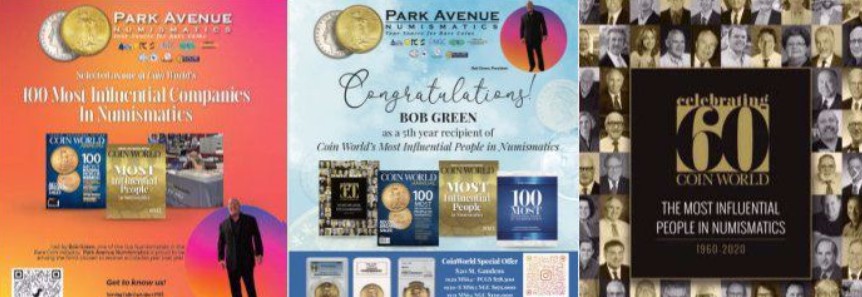
The rare coin market operates differently than regular retail. Prices fluctuate based on metal content, historical significance, rarity, and condition. You can’t just walk into any shop and expect fair deals. Some dealers specialize in specific eras or types of coins. Others offer a broad selection but might lack deep expertise in particular areas. The key is finding someone who knows their stuff and treats customers fairly. Park Avenue Numismatics has built its reputation on transparency and expert knowledge since entering the market. They focus on educating collectors rather than just making quick sales.
Coin values change with market conditions. Gold and silver prices affect certain coins more than others. Historical coins with numismatic value don’t always follow metal prices. They hold value based on collector demand and scarcity. Understanding this distinction helps you make smarter purchases. A dealer who explains these nuances is worth their weight in gold.
What Makes a Rare Coin Dealer Trustworthy
Trust is everything in this business. You’re often spending significant money on small objects that need expert verification. A good dealer provides detailed information about each coin’s grade, provenance, and current market value. They don’t pressure you into purchases or make unrealistic promises about future appreciation. Look for dealers who are members of professional organizations like the American Numismatic Association or the Professional Numismatists Guild. These memberships require adherence to ethical standards.
Park Avenue Numismatics stands out by offering personalized service and maintaining high standards for coin authentication. They work with certified grading services and provide documentation for every purchase. Their team answers questions honestly, even if it means talking you out of a purchase that doesn’t fit your goals. That’s the kind of integrity you want in a long-term partnership.
Customer reviews tell you a lot. Check multiple sources, not just the dealer’s website. Look for patterns in feedback. Do customers mention good communication? Are there complaints about misgraded coins or return issues? A dealer with mostly positive reviews over several years has proven themselves. New dealers aren’t necessarily bad, but established ones have track records you can verify.
Types of Rare Coins Worth Collecting
Different collectors focus on different categories. Some love ancient coins from Greece or Rome. Others prefer American classics like Morgan dollars or Walking Liberty half dollars. Modern commemoratives appeal to people who want lower entry prices. Error coins attract those who enjoy hunting for unusual specimens. Gold coins serve dual purposes as collectibles and precious metal investments.
Your budget and interests should guide your choices. Starting with more affordable coins makes sense while you learn grading standards and market values. As knowledge grows, you can move into higher-value pieces with confidence. A knowledgeable dealer helps you build a coherent collection rather than accumulating random coins. They suggest pieces that complement what you already own and fit your overall strategy.
World coins offer incredible variety. From British sovereigns to Chinese pandas, international pieces add global perspective to collections. Some focus on specific countries or time periods. Others collect by theme, like ships or animals depicted on coins. The options are endless, which makes expert guidance valuable.
How to Evaluate Coin Condition and Grading
Grading determines value more than almost any other factor. A coin in mint state commands premium prices compared to worn examples. Professional grading services like PCGS and NGC provide standardized assessments. They seal coins in protective holders with grade labels. This third-party verification gives buyers confidence. Ungraded coins require more expertise to evaluate accurately. Scratches, cleaning, and environmental damage all affect grades and values.
Learning basic grading terms helps you understand dealer descriptions. Mint State means uncirculated with no wear. About Uncirculated shows slight wear on highest points. Extremely Fine has light wear but strong details. Very Fine shows moderate wear. Good means heavily worn but main features visible. These grades have numbered scales for more precision. An MS-65 coin is nicer than MS-60, for example.
Lighting and magnification reveal details the naked eye misses. Serious collectors invest in proper loupes and lamps. But when starting out, trust graded coins from reputable services. They’ve done the hard work of authentication and assessment. Park Avenue Numismatics specializes in certified coins, which removes much of the guesswork for newer collectors.
Red Flags to Avoid When Shopping
Some warning signs indicate dealers you should avoid. Prices far below market value usually mean problems. Either the coins are counterfeit, misgraded, or there’s something else wrong. Legitimate dealers can’t survive selling authentic coins at huge discounts. If a deal seems too good to be true, it probably is. Walk away and find another source.
Pressure tactics are another red flag. Claims like “this price is only good today” or “someone else is looking at this coin” create false urgency. Reputable dealers let you take your time. They know educated buyers make better long-term customers. They want you to research and feel confident about purchases. High-pressure sales benefit the seller, not the buyer.
Lack of return policies raises concerns. Even with graded coins, you should have options if a purchase doesn’t meet expectations. Clear return terms protect both parties. They show the dealer stands behind their merchandise. Refusing returns or making the process difficult suggests problems you don’t want to discover after spending money.
Building a Relationship with Your Dealer
Finding a good dealer is like finding a good doctor or mechanic. You want someone you can trust for the long haul. Regular communication helps them understand your goals and budget. They can alert you when coins matching your interests become available. Many dealers offer first look at new acquisitions to established customers. This access can mean getting better coins before they hit public listings.
Don’t be afraid to ask questions, even basic ones. Good dealers enjoy educating collectors. They remember when they were learning and appreciate genuine curiosity. If someone makes you feel stupid for asking, find another dealer. The best ones encourage questions and provide thorough answers. They explain their reasoning when pricing coins or making recommendations.
Building this relationship takes time. Start with smaller purchases to test the waters. See how they handle transactions, shipping, and follow-up. Do coins arrive as described? Does communication feel professional and prompt? After several positive experiences, you’ll feel comfortable making larger investments. This gradual approach protects you while establishing mutual trust.
Online vs. In-Person Coin Shopping
Online shopping offers convenience and selection. You can browse thousands of coins from your couch. Multiple dealers compete for your business, which can mean better prices. High-resolution images let you examine coins closely. But you can’t hold them or verify them in person before buying. You rely on dealer honesty and photography accuracy.
Physical shops provide hands-on experience. You can examine coins with a loupe and ask immediate questions. Building personal relationships feels easier face-to-face. But selection is limited to current inventory. Prices might be higher due to overhead costs. The ideal approach combines both methods. Visit physical locations when possible to establish relationships. Use online platforms to access broader inventory and compare prices.
Many established dealers maintain both physical and online presences. This hybrid model offers the best of both worlds. You can shop online with the backing of a real business you could visit if needed. Customer service tends to be better when there’s a physical location and reputation to protect. Park Avenue Numismatics exemplifies this approach, maintaining strong online services while upholding traditional customer service values.
Investment Potential of Rare Coins
Rare coins can appreciate significantly over time. But they’re not get-rich-quick schemes. Value grows slowly through careful selection and patience. The rarest coins in top condition see the strongest appreciation. Common coins in low grades barely keep up with inflation. Understanding this spectrum helps set realistic expectations.
Diversification matters in coin collecting too. Don’t put all your money into one type or era. Spread investments across different categories to reduce risk. Some collectors allocate percentages to gold coins, silver coins, and numismatic pieces based on rarity rather than metal content. This balanced approach provides stability while allowing for growth.
Economic conditions affect coin values. During uncertainty, precious metals often rise. Rare coins with gold or silver content benefit. But purely numismatic pieces depend more on collector demand than economic cycles. A well-rounded collection weathers different market conditions better than one focused too narrowly.
Authentication and Certification Matters
Counterfeit coins are a real problem. Technology makes fakes increasingly convincing. Professional certification protects against this risk. Grading services have experts and equipment to detect forgeries. When they certify a coin, they guarantee authenticity. This assurance is worth the certification cost, especially for expensive pieces.
Raw coins require expert examination. Unless you have significant experience, stick with certified coins when spending serious money. Save raw coin purchases for lower-value pieces where mistakes won’t hurt as much. As your knowledge grows, you’ll develop skills to evaluate uncertified coins. But even experts occasionally get fooled by sophisticated fakes.
Documentation adds value and credibility. Keep receipts, certificates, and any historical information that came with purchases. This provenance can increase value and helps if you later sell. Organized records also help with insurance and estate planning. Treat your coin collection like any other valuable asset with proper documentation and protection.
Conclusion and Final Recommendations
Buying rare coins should be enjoyable and rewarding. Working with trustworthy dealers makes all the difference in your experience. Take time to research, ask questions, and build relationships with dealers who demonstrate expertise and integrity. Start slowly with coins you can afford and gradually expand as knowledge grows. Focus on quality over quantity, because a few exceptional coins outperform many mediocre ones.
Remember that collecting is a marathon, not a sprint. The best collections take years or decades to build. Enjoy the learning process and the thrill of finding special pieces. Whether you collect for investment, history, or pure enjoyment, the right dealer partnership enhances every aspect. Choose dealers who educate, communicate clearly, and treat you fairly. Your collection and your wallet will thank you for the careful selection. The rare coin market offers incredible opportunities for those who approach it with knowledge and patience.




More Stories
Elevate Your Living Room with a Faux Marble Coffee Table: Style Meets Function
Sleeper Sofa Bed: The Perfect Blend of Comfort, Style, and Space-Saving Design
How to Compare Loan Offers Wisely With SlickCashLoan