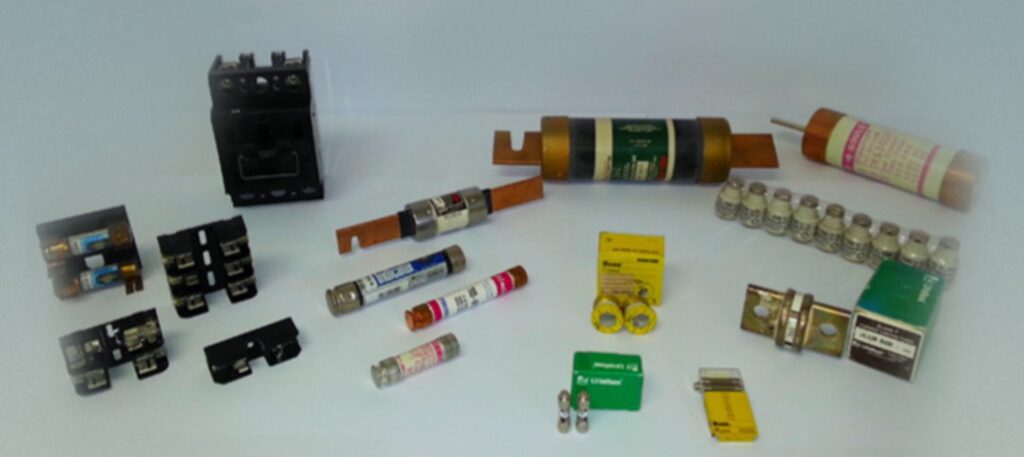
In modern facilities, electrical distribution and motor control systems decide how safely and efficiently power is used every day. From factories to commercial buildings, these systems keep machines running and people safe. Choosing the right electrical parts supplier also plays a major role in long-term reliability. This guide explains how these systems work, why they matter, and how companies like Electrical Distribution & Control support real-world power needs without overcomplicating the process.
Table of Contents
In modern facilities, electrical distribution and motor control systems decide how safely and efficiently power is used every day. From factories to commercial buildings, these systems keep machines running and people safe. Choosing the right electrical parts supplier also plays a major role in long-term reliability. This guide explains how these systems work, why they matter, and how companies like Electrical Distribution & Control support real-world power needs without overcomplicating the process.
Introduction to Electrical Distribution and Motor Control
Every building that uses electricity depends on a structured power system. Electricity does not move randomly. It follows a planned path that protects equipment and people. Electrical distribution handles how power flows from the source to different areas. Motor control manages how electric motors use that power.
These systems work together in almost every industrial and commercial setting. When they are designed well, operations stay stable. When they are ignored, failures happen more often. Understanding the basics helps facility owners and technicians make smarter choices.
What Is Electrical Distribution and Motor Control?
Electrical distribution is the method used to deliver electricity from the main supply to various circuits. It includes switchboards, panels, breakers, and transformers. Each part plays a role in controlling voltage and current.
Motor control focuses on how motors start, run, and stop. Motors power equipment like pumps, fans, elevators, and conveyors. Control devices regulate current, prevent overloads, and manage speed when needed.
Together, these systems form the backbone of powered operations. Distribution provides electricity. Motor control ensures that electricity is used safely and efficiently.
Why These Systems Matter in Daily Operations
Most people only notice electrical systems when something fails. A tripped breaker or a stopped motor can shut down work instantly. These interruptions cost time and money.
Good electrical distribution keeps voltage steady. This protects sensitive equipment. Proper motor control prevents motors from overheating or drawing too much current. This reduces wear and extends equipment life.
Safety is another key reason. Fault protection reduces fire risk. Controlled motor starts reduce mechanical stress. These benefits may seem small at first, but they add up over years of operation.
How Electrical Distribution Works in Real Facilities
Power enters a building through a main service panel. From there, it flows to distribution boards that feed different areas. Each circuit serves a specific load.
Breakers protect circuits by cutting power during faults. This prevents damage and limits outages. Transformers adjust voltage to match equipment needs.
In large facilities, distribution systems are designed with future growth in mind. Extra capacity allows new machines to be added without major upgrades.
How Motor Control Systems Function
Motor control systems manage how motors behave during operation. When a motor starts, it draws more current. Starters limit this surge to protect the system.
Overload relays monitor motor temperature and current. If limits are exceeded, the motor shuts down before damage occurs. Speed controllers adjust motor output based on demand.
These controls reduce energy waste. They also make machines easier to manage during production changes.
Common Applications Across Industries
Manufacturing plants rely on these systems for production lines. Warehouses use them for conveyor systems. Commercial buildings use them for heating and cooling.
Water treatment facilities depend on motor control for pumps. Food processing plants use precise control to meet quality standards. Even small workshops rely on basic motor starters.
Each industry has different demands, but the principles remain the same. Power must be delivered safely. Motors must be controlled accurately.
The Role of a Reliable Electrical Parts Supplier
System performance depends on component quality. A reliable electrical parts supplier provides parts that meet standards and fit real conditions.
Electrical Distribution & Control supplies components used in electrical distribution and motor control systems. The company supports contractors, engineers, and facility managers with products suited for industrial and commercial use.
A dependable supplier reduces downtime. When replacements are needed, fast access to the right parts matters. Electrical Distribution & Control helps meet those needs through consistent product availability.
About Electrical Distribution & Control
Electrical Distribution & Control focuses on supplying equipment for power distribution and motor control applications. The company serves a wide range of industries and project sizes. It emphasizes practical solutions that meet safety and performance requirements.
The team understands how systems operate in real environments. That experience helps customers choose components that work as expected. More information about their offerings is available at https://edc-electrical.com/.
Benefits of Proper System Design
Well-designed systems improve reliability. Motors start smoothly. Breakers trip only when needed. This reduces unexpected shutdowns.
Maintenance becomes simpler. Clear layouts make troubleshooting faster. Technicians spend less time tracing faults.
Energy efficiency also improves. Motors run only when needed and at the right speed. Over time, this lowers operating costs.
Scalability is another advantage. Systems designed with growth in mind adapt more easily to expansion.
Realistic Limits and Challenges
Electrical systems have limits. Upgrading old distribution panels can be expensive. Space constraints may require creative solutions.
Motor control devices need proper conditions. Excess heat or poor ventilation reduces lifespan. Power quality issues can affect performance.
Component lead times can also pose challenges. Planning ahead and working with experienced suppliers helps reduce delays.
Practical Planning Tips for Better Results
Accurate load calculations are essential. Undersized equipment leads to failures. Oversized equipment wastes money.
Environmental conditions should guide equipment selection. Dusty or damp areas require proper enclosures.
Documentation matters. Updated drawings save time during repairs. They also help new staff understand the system.
Early coordination with suppliers improves outcomes. Electrical Distribution & Control often supports this step by helping match components to application needs.
Real-World Example from an Industrial Setting
Consider a small factory adding new machinery. Without system upgrades, startup currents cause frequent trips. Production slows down.
By upgrading distribution panels and adding proper motor starters, the problem is solved. Motors start smoothly. Power stays stable. Downtime drops noticeably.
This outcome depends on correct design and reliable components. It also depends on choosing the right supplier.
How These Systems Support Better Decisions
Understanding electrical distribution and motor control helps decision-makers plan smarter upgrades. It reduces guesswork. It also improves communication between engineers and management.
Better knowledge leads to better budgeting. It helps prioritize upgrades that deliver real value. Over time, this approach builds more resilient operations.
Verdict on Electrical Distribution and Motor Control Systems
Electrical distribution and motor control systems may not be visible, but they are essential. They support safety, efficiency, and reliability across industries.
Working with a knowledgeable electrical parts supplier strengthens these systems. Electrical Distribution & Control provides components and support that align with real operational needs.
For facilities that depend on consistent power and reliable machines, focusing on these systems is a practical and worthwhile decision.




More Stories
Elevate Your Living Room with a Faux Marble Coffee Table: Style Meets Function
Sleeper Sofa Bed: The Perfect Blend of Comfort, Style, and Space-Saving Design
How to Compare Loan Offers Wisely With SlickCashLoan