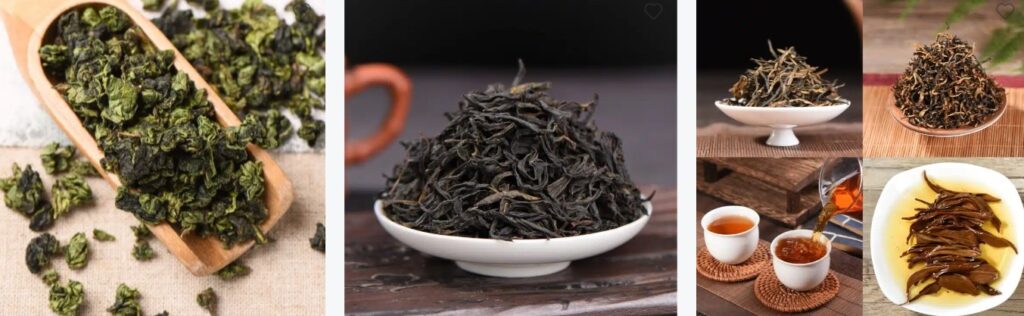
Tea lovers know that not all teas are created equal. When you explore loose leaf oolong tea online, you enter a world of rich flavors and genuine quality. This isn’t your basic grocery store tea bag. Loose leaf oolong tea online offers something special. The leaves are whole and intact. They release more flavor with each steep. And when you find aged oolong tea, you discover depths that regular tea simply can’t match.
Table of Contents
Tea lovers know that not all teas are created equal. When you explore loose leaf oolong tea online, you enter a world of rich flavors and genuine quality. This isn’t your basic grocery store tea bag. Loose leaf oolong tea online offers something special. The leaves are whole and intact. They release more flavor with each steep. And when you find aged oolong tea, you discover depths that regular tea simply can’t match.
So what makes oolong different? It sits right between green and black tea. The leaves go through partial oxidation. This creates a unique taste profile that ranges from floral to toasty. Some taste like fresh flowers. Others remind you of roasted nuts. The variety is huge.
Shopping online gives you access to teas you’ll never find locally. You can order directly from specialty shops like Purechinatea. They source authentic Chinese teas and deliver them to your door. No middleman. No stale warehouse stock. Just fresh tea from the source.
Understanding Oolong Tea: The Basics
Oolong tea comes from the Camellia sinensis plant. Same plant that gives us green and black tea. The difference is in processing. After picking, the leaves wither in the sun. Then they’re bruised to start oxidation. This step matters a lot. It determines the final flavor.
The oxidation level ranges from 10% to 80%. Lighter oolongs taste closer to green tea. They’re fresh and floral. Darker oolongs taste more like black tea. They’re rich and malty. This range means there’s an oolong for everyone.
Traditional oolong comes from China and Taiwan. Each region produces distinct styles. Chinese oolongs from Fujian Province are famous worldwide. Taiwanese high-mountain oolongs are prized for their quality. When you buy loose leaf oolong tea online, you’re getting these authentic varieties.
The Case for Aged Oolong Tea
Aged oolong tea is exactly what it sounds like. Producers store oolong leaves for years. Sometimes decades. During aging, the tea transforms. The flavor becomes smoother. The caffeine level drops. New taste notes develop.
Fresh oolong can be sharp. It hits your palate with bright notes. Aged oolong feels mellow. It goes down easy. Many people find it gentler on the stomach. The aging process breaks down certain compounds. This makes the tea more digestible.
Good aged oolong comes with a higher price tag. The storage costs add up. The producer ties up inventory for years. But fans say it’s worth every penny. The complexity you get in aged tea can’t be rushed.
Purechinatea offers aged oolong options that show this aging process at its best. They work with producers who understand traditional storage methods. The tea rests in cool, dry conditions. It’s checked regularly. This careful approach preserves quality while letting the tea mature.
Health Benefits You Should Know About
Oolong tea isn’t just about taste. It brings real health benefits to the table. Research shows it can support weight management. The tea helps boost metabolism. It increases fat burning during exercise.
The antioxidants in oolong are impressive. They fight free radicals in your body. This may reduce inflammation. Some studies link oolong consumption to better heart health. It may help lower bad cholesterol levels.
Oolong contains L-theanine. This amino acid promotes calm focus. You get a gentle energy lift without the jitters. It’s not like coffee. The caffeine in oolong works differently. It releases slowly over time.
For people watching their blood sugar, oolong shows promise. Some research suggests it helps regulate glucose levels. This doesn’t replace medical treatment. But it might support overall metabolic health.
The polyphenols in aged oolong tea may be even more beneficial. Aging changes the chemical structure. Some experts believe this makes certain compounds more bioavailable. Your body can use them more easily.
How to Choose Quality Loose Leaf Oolong Online
Shopping online requires trust. You can’t see or smell the tea before buying. Here’s what to look for. First, check the origin. Good sellers tell you exactly where the tea comes from. They list the region and sometimes the specific farm.
Harvest date matters too. Fresh oolong from the current season tastes best. Unless you’re buying aged varieties, look for recent harvest dates. Tea does go stale. Leaves from two years ago won’t taste as good.
Read the product descriptions carefully. Quality sellers provide detailed information. They explain the oxidation level. They describe the flavor profile. They tell you how to brew it properly.
Customer reviews help a lot. Real buyers share honest opinions. Look for reviews that describe the taste. Skip vague comments like “great tea.” You want specific details about flavor, aroma, and quality.
Price is an indicator but not the only one. Very cheap oolong might be low quality. But expensive doesn’t always mean better. Look for fair prices that reflect the tea’s origin and quality.
Purechinatea stands out because they provide transparent sourcing information. You know exactly what you’re getting. They work directly with tea farmers in China. This keeps prices reasonable while ensuring quality. Their website includes brewing guides for each tea. This helps newcomers get the best results.
The Difference Between Loose Leaf and Tea Bags
Tea bags are convenient. No argument there. But they come with trade-offs. Most tea bags contain dust and fannings. These are the broken pieces left after processing. They brew quickly but lack complexity.
Loose leaf tea uses whole leaves. Sometimes they’re twisted or rolled, but they’re intact. When hot water hits them, they unfurl completely. This releases more flavor compounds. You get multiple infusions from the same leaves. Each brewing reveals different notes.
The quality difference is clear when you taste them side by side. Loose leaf has depth. It changes as it cools. Tea bag tea often tastes flat by comparison. One note all the way through.
Storage is better with loose leaf too. Whole leaves stay fresh longer. They don’t oxidize as quickly as broken pieces. If you store them properly, they maintain quality for months.
Yes, loose leaf requires more effort. You need an infuser or teapot. You measure the leaves. But the payoff is worth it. The ritual becomes part of the enjoyment.
Brewing Tips for Best Results
Water temperature affects oolong tea dramatically. Too hot and you’ll scorch the leaves. Too cool and you won’t extract enough flavor. For most oolongs, aim for 185-205°F. Lighter oolongs prefer the cooler end. Darker ones can handle more heat.
Use about one teaspoon of loose leaf per cup. Adjust based on personal taste. Some people like it stronger. Start with the standard amount and experiment from there.
First steep should last 2-3 minutes. Don’t rush it. Let the leaves open fully. Pour out all the liquid. Leaving water on the leaves affects the next infusion.
Here’s where oolong shines. You can steep the same leaves multiple times. Good oolong gives you 3-5 quality infusions. Sometimes more. Add 30 seconds to each successive steep. The flavor evolves. The first cup might be floral. The third might be sweeter.
For aged oolong tea, use slightly hotter water. The aging process makes the leaves more durable. They can handle 200-212°F without problem. The first steep might taste musty. Don’t worry. That’s normal. Rinse the leaves with hot water first. Discard this rinse. Then start your actual brewing.
Understanding Price Points
Loose leaf oolong tea online varies wildly in price. You’ll find options from five dollars per ounce to over fifty. What explains this range? Several factors come into play.
Origin matters first. Taiwan high-mountain oolongs cost more than Chinese varieties. The growing conditions are harder. The yields are smaller. But that doesn’t mean Chinese oolongs are inferior. Some are extraordinary.
Harvest season affects price. Spring harvests often command premium prices. The leaves are tender. The flavor is delicate. Fall harvests can be just as good but usually cost less.
Processing methods impact cost too. Hand-rolled oolong takes time and skill. Machine-rolled tea costs less but might lack character. Traditional charcoal roasting adds expense but creates unique flavors.
Aged oolong tea costs more than fresh. Storage isn’t free. The producer waits years for return on investment. But you’re paying for that transformation. The mellowing that only time can create.
For beginners, start in the middle range. Spend enough to get real quality. Don’t jump to the most expensive options first. Develop your palate. Learn what you like. Then explore premium teas.
About Purechinatea: Your Source for Authentic Chinese Tea
Purechinatea specializes in bringing authentic Chinese teas directly to customers worldwide. They work with small farms and traditional producers across China’s tea regions. Their focus is on quality, freshness, and fair pricing. By cutting out middlemen, they offer premium teas at reasonable prices. Visit their collection at https://purechinatea.com/ to explore their full range of oolong teas.
Common Mistakes to Avoid
Don’t use boiling water on delicate oolongs. You’ll destroy the subtle flavors. Let the water cool a bit after boiling. Check the temperature if you can.
Don’t over-steep your first infusion. You can always make it stronger next time. But you can’t fix bitter, over-extracted tea. Start conservative.
Don’t throw away the leaves after one brew. Oolong is meant for multiple infusions. You’re wasting most of the tea’s potential if you brew it once.
Don’t store loose leaf tea near strong smells. Tea absorbs odors easily. Keep it in an airtight container away from spices and coffee. A cool, dark cabinet works well.
Don’t judge a tea by its first steep alone. Oolong evolves. The third infusion might be completely different from the first. Experience the full journey before deciding if you like it.
Making the Purchase Decision
When you’re ready to buy loose leaf oolong tea online, consider what you want from your tea experience. Are you looking for daily drinking tea? Something special for weekends? A tea for meditation or focus?
Think about flavor preferences too. Do you like floral notes? Go for lighter oolongs. Prefer something robust? Choose darker varieties. Want smooth and mellow? Try aged options.
Check return policies. Good sellers stand behind their products. They’ll work with you if something arrives damaged or doesn’t meet expectations.
Start with smaller quantities. Order an ounce or two of a few different types. Find your favorites before committing to larger purchases. This approach saves money and prevents tea waste.
Final Thoughts
Loose leaf oolong tea online opens up a world of flavor and tradition. You get access to teas that local stores never stock. The quality surpasses anything in a tea bag. And with aged oolong tea, you experience complexity that takes years to develop.
The health benefits add to the appeal. But honestly, most people stick with oolong because it tastes amazing. The ritual of brewing becomes a daily pleasure. The variety means you never get bored.
Finding a trustworthy source matters. Companies like Purechinatea make the process easier. They handle the sourcing. They ensure freshness. You just enjoy the tea.
Start your oolong journey today. Order a sample. Brew it properly. Take time to taste it. You might discover your new favorite drink. And unlike coffee or energy drinks, oolong gets better the more you learn about it. Each cup teaches you something new.

More Stories
Florida Honey Guide: Why Local Raw Honey is the Ultimate Choice?
How Can You Find the Best Quality Honey Products and Wholesale Deals?
Why is Florida Honey the Gold Standard for Your Kitchen or Business?