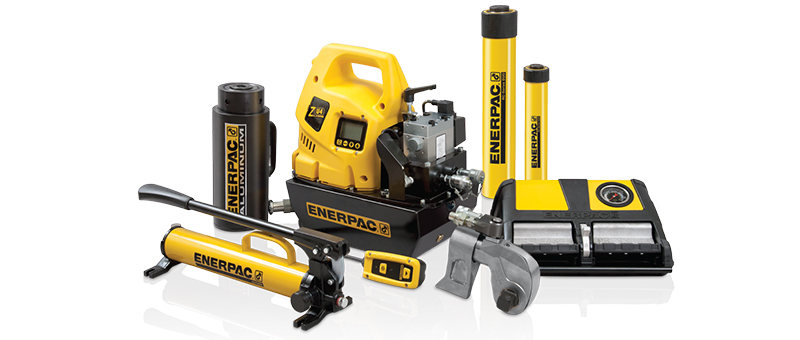
In modern industries, machines rely on powerful and efficient systems to perform heavy-duty tasks. One of the most important components behind this power is the Hydraulic Pump. From manufacturing plants to construction sites, hydraulic systems convert mechanical energy into fluid power, enabling machines to lift, move, and operate with precision and strength. Understanding how a Hydraulic Pump works and how it interacts with other components can help industries maintain efficient and reliable operations.
Table of Contents
In modern industries, machines rely on powerful and efficient systems to perform heavy-duty tasks. One of the most important components behind this power is the Hydraulic Pump. From manufacturing plants to construction sites, hydraulic systems convert mechanical energy into fluid power, enabling machines to lift, move, and operate with precision and strength. Understanding how a Hydraulic Pump works and how it interacts with other components can help industries maintain efficient and reliable operations.
What Is a Hydraulic Pump?
A Hydraulic Pump is a mechanical device that converts mechanical energy into hydraulic energy by moving fluid through a hydraulic system. The pump creates flow, which produces pressure when it encounters resistance in the system. This pressure is then used to operate machinery such as excavators, presses, robotic systems, and industrial automation equipment.
Hydraulic pumps are commonly used in industries like manufacturing, automotive, aerospace, agriculture, and construction. Their ability to generate high power in compact systems makes them an essential component for machines that require strong lifting or pressing forces.
How Hydraulic Pumps Work
The working principle of a Hydraulic Pump is straightforward but powerful. The pump draws hydraulic fluid from a reservoir and pushes it into the hydraulic circuit. As the fluid flows through the system, it powers cylinders, motors, and other hydraulic components.
Several mechanical parts help ensure smooth pump performance. Components such as Roller Bearing and Ball bearing assemblies reduce friction and support rotating parts, allowing the pump to operate efficiently under heavy loads. High-quality bearings are crucial for maintaining durability and minimizing wear.
To prevent leaks and maintain pressure, a Gasket Sealer is often used within the pump assembly. This ensures that hydraulic fluid remains contained within the system, allowing the pump to deliver consistent pressure and performance.
Types of Hydraulic Pumps
Hydraulic pumps come in different designs depending on the application. Some of the most common types include:
Gear Pumps – Known for their simple design and reliability, gear pumps are widely used in industrial equipment and mobile machinery.
Vane Pumps – These pumps are quieter and provide smoother fluid flow, making them ideal for applications requiring consistent pressure.
Piston Pumps – Highly efficient and capable of operating at very high pressures, piston pumps are commonly used in heavy machinery and industrial systems.
Each type of pump uses advanced mechanical components like Linear Guide systems to maintain alignment and precision during operation.
Supporting Components in Hydraulic Systems
A hydraulic system is not just about the pump. It also includes several other important parts that help maintain efficiency and control.
For example, Pneumatic Valves often work alongside hydraulic systems to regulate air pressure in hybrid machinery. These valves help control movement, direction, and pressure in automated environments.
Modern factories are also incorporating Cobots, or collaborative robots, into their operations. These robots frequently rely on hydraulic and pneumatic systems to perform tasks such as lifting components, assembling products, and handling materials safely alongside human workers.
Regular maintenance is essential to ensure long-lasting system performance. Cleaning agents like Degreaser are used to remove oil, grease, and contaminants from mechanical parts, helping maintain smooth operation and preventing buildup that could affect system efficiency.
Maintenance and Performance Optimization
Proper maintenance plays a vital role in extending the lifespan of a Hydraulic Pump. Regular inspection and servicing ensure that the pump operates at peak efficiency. Some important maintenance practices include:
-
Cleaning components with a reliable Degreaser to remove contaminants
-
Inspecting Roller Bearing and Ball bearing parts for wear
-
Checking seals and applying Gasket Sealer when necessary
-
Ensuring alignment of mechanical components such as Linear Guide systems
Routine maintenance not only prevents breakdowns but also reduces costly downtime in industrial environments.
Choosing the Right Hydraulic Pump Supplier
Selecting a trusted supplier is just as important as choosing the right pump. Quality manufacturing, reliable materials, and technical expertise all contribute to the performance and durability of hydraulic systems.
One company that has earned recognition in the industrial sector is SLS Bearings. Known for providing high-quality mechanical components and industrial solutions, SLS Bearings supplies reliable equipment that supports hydraulic systems across various industries. Their expertise in bearings, motion technology, and industrial components makes them a trusted choice for businesses looking to enhance equipment performance and reliability.
The Future of Hydraulic Pump Technology
As industries continue to evolve, hydraulic technology is also advancing. Modern systems are becoming more energy-efficient, compact, and digitally integrated. Sensors and automation are being incorporated into hydraulic systems, allowing real-time monitoring and predictive maintenance.
The integration of robotics, including Cobots, is further expanding the capabilities of hydraulic-powered machinery. These innovations are helping industries improve productivity while maintaining safety and precision.
Conclusion
The Hydraulic Pump remains one of the most important components in industrial machinery. By converting mechanical energy into powerful fluid motion, it enables machines to perform demanding tasks with reliability and efficiency.
With supporting components like Roller Bearing, Ball bearing, Linear Guide, Pneumatic Valves, and proper maintenance using Degreaser and Gasket Sealer, hydraulic systems can operate smoothly for years. Partnering with trusted suppliers such as SLS Bearings ensures that industries receive high-quality components that keep operations running efficiently.




More Stories
How Do You Choose the Best Defense Attorneys in Santa Maria? A Comprehensive Guide
Buy to Rent Properties London: The Smart Investor’s Playbook No One Talks About
Convertible Sofa Bed: The Ultimate Guide to a Stylish Sofa Bed for Living Room Comfort